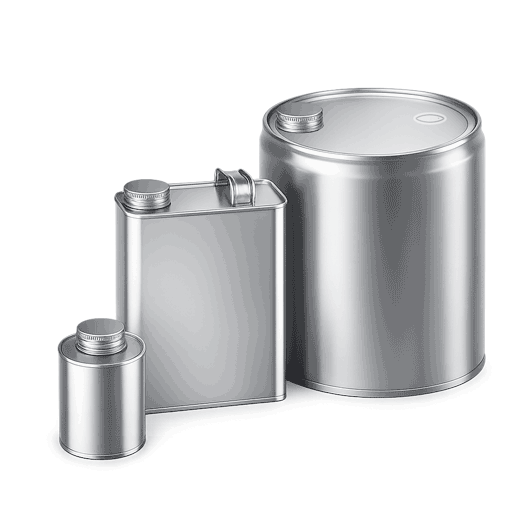
Toluene ACS Reagent Grade 99.9%
Price range: $198.91 through $994.56
Description
Toluene ACS Reagent Grade 99.9%
Toluene, also called methylbenzene is a colorless liquid with a flash point 40 °F. It is Less dense than water (7.2 lb / gal) and insoluble in water. Hence floats on water. This is an aromatic hydrocarbon that has a smell you would associate with paint thinners. It is a naturally occurring hydrocarbon found in crude oil. Toluene is volatile, flammable, and evaporates quickly.
Toluene is the simplest member of the class toluenes consisting of a benzene core which bears a single methyl substituent. It is a non-polar solvent, Due to the presence of the methyl group, toluene is more reactive compared to benzene alone in the presence of electrophiles.


What’s The Difference Between Reagent Grade & Lab Grade Toluene?
The terms “reagent grade” and “lab grade” are often used to describe the purity and quality of chemicals used in laboratory settings. While there isn’t a universal standard definition for these terms, they generally indicate different levels of purity and suitability for specific laboratory applications. Here’s the difference between reagent grade and lab grade toluene:
Reagent Grade Toluene:
- Reagent grade chemicals are typically of higher purity compared to lab grade chemicals. Reagent grade toluene is purified to meet strict quality standards, with impurity levels kept to a minimum.
- Reagent grade toluene is suitable for use in analytical and research applications where precise measurements and high purity are required. It is commonly used in chromatography, spectroscopy, and other analytical techniques where impurities could interfere with the results.
- Reagent grade toluene may also undergo additional testing and quality control measures to ensure consistency and reliability in laboratory experiments.
Lab Grade Toluene:
- Lab grade chemicals are generally of lower purity compared to reagent grade chemicals. Lab grade toluene may contain higher levels of impurities, although it still meets basic quality standards for laboratory use.
- Lab grade toluene is suitable for general laboratory applications where high levels of purity are not critical. It may be used in routine experiments, sample preparation, and other non-critical applications where the presence of impurities is acceptable.
- Lab grade toluene is often more cost-effective than reagent grade toluene, making it a suitable choice for educational institutions, industrial laboratories, and other settings where budget constraints may be a consideration.
In summary, the main difference between reagent grade and lab grade toluene lies in the level of purity and suitability for specific laboratory applications. Reagent grade toluene is of higher purity and is suitable for analytical and research purposes, while lab grade toluene is of lower purity and is used in general laboratory applications where high purity is not critical. It’s important to choose the appropriate grade of toluene based on the specific requirements of the experiment or application.
Related products
-
Nitric Acid 67% Lab Tech Grade (42° Baumé)
Price range: $255.15 through $1,282.63 Select options This product has multiple variants. The options may be chosen on the product page -
Dichloromethane (Methylene Chloride) Lab Grade
Price range: $329.23 through $1,611.87 Select options This product has multiple variants. The options may be chosen on the product page -
Hydrogen Peroxide 35% Food Grade
Price range: $370.39 through $802.50 Select options This product has multiple variants. The options may be chosen on the product page -
190 Proof Ethanol
Price range: $1,063.15 through $8,916.70 Select options This product has multiple variants. The options may be chosen on the product page