
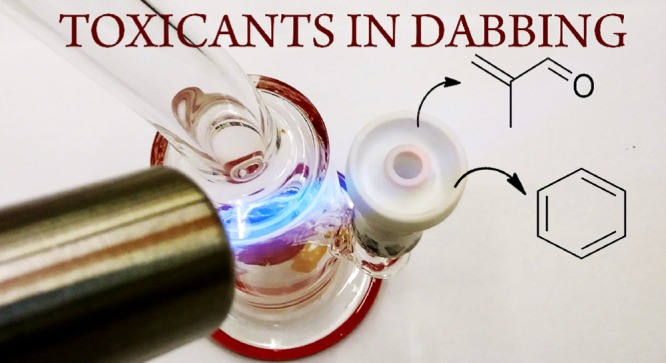
As cannabis extracts have become more popular, so has interest in the role of terpenes. These compounds are responsible for much of the aroma and flavor in cannabis, and many consumers look for terpene-rich products because of the experience they may help create.
But there is an important question that deserves attention: what happens when terpenes are exposed to very high temperatures?
A scientific study published in 2017 looked at this issue in the context of dabbing. The researchers focused on common cannabis terpenes, especially myrcene, and found that when these compounds were heated under conditions meant to simulate real-world dabbing, they could break down into new chemicals, including some that may be harmful to inhale.
Why This Matters
Dabbing typically involves placing a cannabis concentrate on a very hot surface and inhaling the vapor that forms. While this method is often described as a non-combustion approach, very high surface temperatures can still trigger chemical breakdown.
That breakdown matters because terpenes are not necessarily chemically stable when exposed to extreme heat. In the study, researchers found that some terpene degradation products included methacrolein, benzene, and other compounds that raise health concerns.
What the Researchers Studied
The study looked at butane hash oil, commonly called BHO, which is a cannabis concentrate that can contain both cannabinoids and terpenes. The researchers used myrcene as a model terpene because it is often one of the most abundant terpenes in cannabis extracts.
They then examined what kinds of byproducts formed when the material was exposed to temperatures similar to those used during dabbing.
What They Found
The main takeaway was simple: higher temperatures led to more chemical degradation.
As terpene-rich material was heated, the researchers detected compounds that were not part of the starting material. Some of these byproducts are already known in other areas of chemistry and air-quality research, and some are considered undesirable from a health perspective.
In plain language, this means that overheating terpene-rich extracts may change the chemistry of what is being inhaled.
The Role of Temperature
Temperature appears to be one of the most important factors in whether these unwanted compounds form.
At lower temperatures, fewer concerning byproducts were observed. At higher temperatures, the amount of degradation increased. This reinforces an important practical point for consumers and product developers alike: temperature control matters.
When concentrates are heated too aggressively, the result may be more than just a harsher taste. It may also mean greater exposure to compounds that were never intended to be inhaled.
What This Means for the Industry
This research highlights the importance of thoughtful formulation, device design, and user education.
As terpene-enriched products continue to grow in popularity, producers should consider not only flavor and aroma, but also how these ingredients behave when heated. Consumers, meanwhile, should understand that “more heat” is not always better.
A better terpene experience is not just about preserving flavor. It is also about reducing unnecessary thermal breakdown.
A Practical Takeaway
For anyone working with inhalable cannabis products, this study offers a useful reminder: terpenes are valuable, but they are also reactive compounds. When exposed to excessive heat, they can form byproducts that may not be ideal for inhalation.
Careful temperature management and product design can help support a cleaner and more controlled experience.
Final Thoughts
Terpenes are an important part of the cannabis conversation, but they should not be discussed only in terms of aroma, flavor, or marketing appeal. Heat changes chemistry. This study shows that when terpene-rich extracts are dabbed at high temperatures, the resulting vapor may contain more than the desired active ingredients.
For producers, processors, and consumers alike, the message is clear: understanding temperature is essential to understanding inhalation quality.
Original article link here